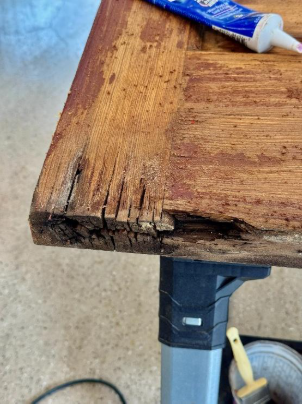
If you’ve noticed your front door feels soft in one spot, or the paint around the bottom has started to bubble and separate, you’re right to be suspicious. Wood rot on exterior doors is common in Atlanta — and the difference between a $400 repair and a $2,000 door replacement often comes down to how early you catch it.
This post walks you through what to look for, how to test it yourself, and what the results actually mean.
Why Atlanta Doors Rot Faster Than Most People Expect
Atlanta sits in a humid subtropical climate. Summer humidity regularly runs above 70%, and the city gets around 50 inches of rain a year — more than Seattle. That moisture has to go somewhere, and when a door’s finish breaks down, it goes straight into the wood.
UV exposure accelerates the problem. Georgia sun beats down on south and west-facing doors for hours each day, degrading the finish faster than the wood underneath can handle. Once the protective layer cracks — even slightly — moisture gets in during rain and humidity spikes, then dries out during heat. Wood expands and contracts with every cycle. Eventually, the surface checks, the grain opens up, and rot sets in.
South-facing and west-facing doors are the most vulnerable. If your door gets direct afternoon sun and no overhang, the finish is under constant stress.
5 Signs Your Door Has Wood Rot
These aren’t listed by severity — they’re listed by where they appear, which tells you where to look.
At the bottom of the door:
Discoloration, paint bubbling, or a soft feel at the bottom rail is the most common early sign. Rain hits the bottom edge hardest, and water wicks up through the end grain if the bottom seal has worn down. Press the wood firmly with your finger. If it gives even slightly, there’s moisture damage underneath.
Around the frame:
The door frame takes water from two directions — rain splash from below and condensation from the gap between the door and frame. Check the corners of the frame where it meets the threshold. Dark staining or a soft, spongy texture here means rot has started.
On the surface:
Checking — fine cracks running along the wood grain — is the first stage of surface breakdown. It’s not rot yet, but it means the finish has failed and moisture is getting in. Left alone, checking leads to rot within one or two seasons in Atlanta’s climate.
Along panel edges:
Raised panel doors have edges where two pieces of wood meet. Water pools in these joints. If you see paint lifting or a gap forming along a panel edge, check for softness in the wood immediately around it.
Around hardware:
Drill holes for knobs, deadbolts, and hinges are entry points for water. If the finish around your hardware has cracked or the wood nearby feels soft, moisture has been getting in through those gaps.
How to Test It Yourself — The Screwdriver Press Test
You don’t need any tools beyond a flathead screwdriver. Press the tip firmly into any area that looks or feels suspicious. Don’t jab — just apply firm, steady pressure.
If the wood holds firm and the screwdriver doesn’t penetrate: the wood is solid. Any discoloration is surface-level.
If the screwdriver tip sinks in slightly with moderate pressure: early rot. The wood fibers have started to break down but there’s still solid material underneath. This is repairable.
If the screwdriver goes in easily with little resistance: active rot. The wood has lost its structural integrity in that area. Whether this is repairable depends on how deep it goes and whether it’s reached the core.
Do this test at the bottom rail, around the frame corners, and anywhere you see surface checking or discoloration. Write down or photograph where the soft spots are — it helps whoever assesses it next.
What’s Repairable and What Isn’t
Most wood rot on Atlanta doors falls into the repairable category. Here’s how to think about it:
Repairable: The rot is in the surface wood or an isolated section — a bottom rail, a corner of the frame, one panel edge. The core of the door is still firm when you press it. Professional repair involves removing the damaged material, treating with wood hardener, filling with structural epoxy, and finishing over the repair. Done properly, the repaired section is as solid as new wood.
Not repairable: The rot has reached the core of the door and the wood is soft all the way through. You’ll know this because the screwdriver test fails badly across a large area — not just in one spot. If a door is hollow core, the situation is worse — hollow doors have no material to repair into and typically need replacing once rot sets in.
Door frames are a separate question. Rotted sections of a frame can often be cut out and replaced without touching the door itself. This is a carpentry repair, not a door replacement.
Why Catching It Early Saves Real Money
An early-stage wood rot repair — soft spot on the bottom rail, some frame treatment, finish restoration — typically runs $350–$500 in Atlanta. A solid wood door replacement, installed, runs $1,500–$4,000 for a standard residential door and significantly more for mahogany or custom hardwood.
The math is straightforward. A door that gets assessed and repaired when it first shows soft spots costs a fraction of what the same door costs two years later when the rot has spread to the core.
Atlanta’s climate means this isn’t a slow process. A door with a failed finish in a humid summer can go from surface checking to structural rot in a single season if it’s a south-facing door getting daily rain and sun.
What to Do Next
If your screwdriver test found soft spots in one or two areas and the core of the door still feels solid, you’re likely looking at a repair. If the damage is widespread or the core is compromised, you need an honest assessment before spending money on anything.
Either way, the worst thing to do is paint over it. Paint covers the symptom and traps moisture inside, which accelerates the rot underneath. A fresh coat of paint on a rotting door makes the problem invisible and more expensive at the same time.
Text a photo of the affected areas to Door4Life at (770) 769-5054. We’ll tell you what we’re looking at and whether it’s worth repairing — no site visit needed to get a straight answer.
Frequently Asked Questions
Can wood rot spread from the door to the door frame?
Yes, and it happens faster than most people expect. If the door bottom is rotting and sitting against a wood threshold or frame, moisture transfers across the joint. Check the frame immediately around any soft spots on the door itself.
How long does a wood rot repair last?
A properly done repair — wood hardener, structural epoxy, sealed with a quality finish — lasts as long as the surrounding wood if the new finish holds. The repair itself doesn’t rot again. What fails eventually is the finish over it, same as the rest of the door. Refinishing every 3–5 years in Atlanta’s climate keeps it protected.
Can I repair wood rot myself?
Surface-level rot on a small area is a DIY job if you’re comfortable with the process — wood hardener, epoxy filler, sanding, and finishing. The issue is diagnosing correctly. Homeowners regularly underestimate how far the rot has spread because it follows the grain inward. If in doubt, get an assessment before touching it.
Is a door with wood rot safe to use?
Depends on where the rot is. Surface rot on a panel or bottom rail doesn’t affect the door’s function or security. Rot in the frame around the lock or deadbolt is a different matter — it can compromise how securely the door closes and locks. Check that area specifically if you’re concerned.
How do I know if my door frame needs replacing or just repairing?
Same screwdriver test. If the frame wood is soft in isolated sections — corners, threshold area — those sections can be cut out and rebuilt. If the rot runs the full length of a frame member or the framing behind the trim is compromised, replacement is more practical than repair.