
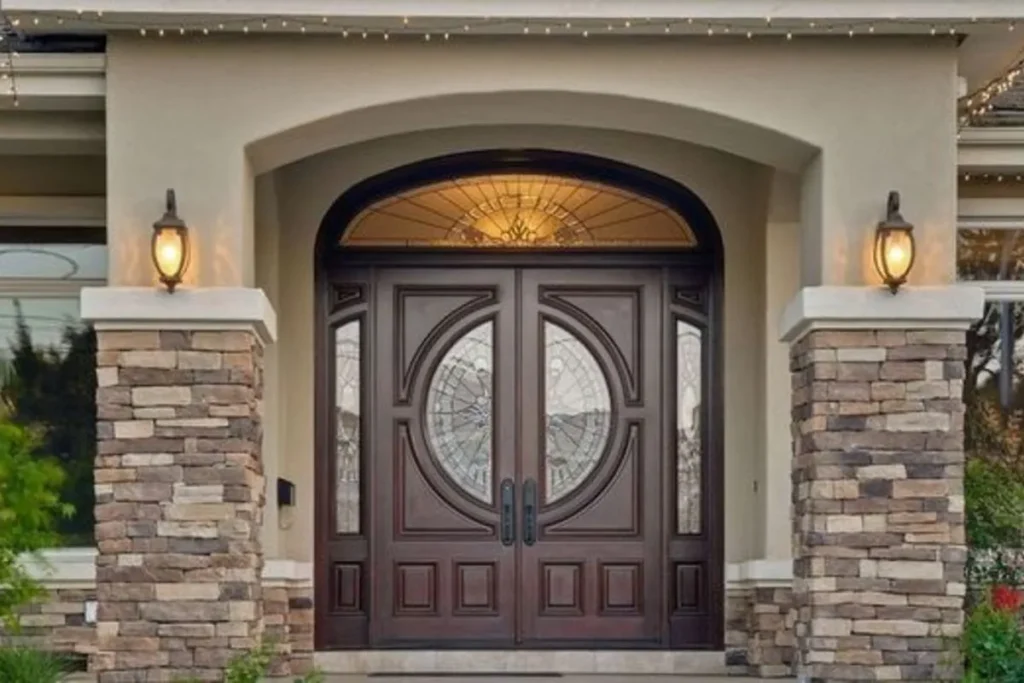
Has your front door weathered badly? Your front door is one of the first things people notice about your home, but in places like Atlanta and Roswell, constant sun exposure and humidity can quickly wear it down. Over time, even a high-quality wooden door can look dull, faded, or cracked. Many homeowners assume replacement is the only option, which often feels expensive and overwhelming.
In reality, most weathered doors can be brought back to life with proper refinishing. With the right approach, you can restore both the appearance and durability of your door while preserving its original character. This guide walks you through the full process of restoring a weathered wooden front door in a simple and practical way.
What Is Door Refinishing?
Door refinishing is the process of removing the damaged outer layer of a door and applying a fresh protective finish. This helps restore the natural look of the wood while protecting it from moisture, sunlight, and daily wear.
Instead of replacing the door, refinishing allows you to preserve solid wood structures and extend their lifespan. It works for different types of doors, including solid wood doors and wood-framed glass doors, whether they are used indoors or outdoors. The goal is to remove damage, smooth the surface, and apply new protection that enhances both appearance and durability.
When Should You Restore a Wood Door?
You should not wait until the wood starts to rot before you take action. If you catch the damage early, the job is much easier. Look for these signs that your door needs help:
- Faded Color: The bottom of the door looks lighter or grey compared to the top.
- Peeling Finish: You see clear flakes or bubbles lifting off the surface.
- Water Damage: Dark spots appear where rain hits the most.
- Cracks or Dryness: The wood feels brittle or shows tiny splits.
- Sun Damage: The finish feels chalky when you rub it with your finger.
Step-by-Step Guide: How to Restore a Weathered Wooden Front Door
Follow these steps carefully to achieve a clean and professional-looking finish.
Step 1: Remove or Secure the Door
You can either remove the door and place it on sawhorses or keep it attached to the hinges. Removing it gives better control and helps avoid drips, but if the door is heavy, leaving it in place is fine. Just make sure to protect surrounding areas with painter’s tape and coverings.
Step 2: Remove Hardware
Take off handles, locks, and knobs before starting. This allows you to sand and finish the entire surface evenly without obstruction. It also prevents accidental damage to the hardware during the process.
Step 3: Clean the Surface
Clean the door using a damp cloth or mild soap solution to remove dust, grease, and dirt. Allow the surface to dry completely before moving to the next step, as moisture can affect sanding and finishing results.
Step 4: Sand the Door
Sanding removes the old finish and prepares the surface for staining. Start with a coarse grit (around 60–80), then gradually move to finer grits (120 and 220). Always sand along the grain of the wood to avoid scratches. For areas near glass panels, sand carefully by hand to prevent damage.
This step plays a major role in achieving a smooth, even finish, which is essential for proper door finishing techniques.
Step 5: Repair Surface Issues
Inspect the door for dents, holes, or cracks. Use a wood filler that matches the type of wood. Apply it to damaged areas, let it dry completely, and sand it smooth so it blends with the rest of the surface.
Step 6: Apply Stain
Staining adds color and enhances the natural grain of the wood. When working on staining wooden doors, you can choose between traditional liquid stain or gel stain. Gel stain is often easier for vertical surfaces because it reduces dripping and provides more even coverage.
Apply the stain using a brush or cloth, allow it to sit briefly, and wipe off any excess to achieve the desired tone.
Step 7: Apply Wooden Door Varnish
Once the stain has dried, apply a protective finish. A wooden door varnish, such as exterior-grade spar urethane, helps shield the door from UV rays, moisture, and temperature changes.
Apply multiple coats, allowing proper drying time between each layer. Light sanding between coats can improve adhesion and smoothness. This protective layer is essential for long-term durability, especially in sunny climates like Atlanta.
Step 8: Reinstall Hardware
After the finish has fully dried, reinstall all hardware. This is also a good opportunity to clean or polish metal parts and lubricate hinges for smoother operation.
Step 9: Final Inspection and Drying
Allow the door to dry completely before closing it fully. Premature closing can cause sticking or damage to the fresh finish. A full curing period ensures the surface hardens properly.
Materials and Tools Required
| Category | Items |
| Sanding Tools | Orbital sander, sandpaper (60–220 grit) |
| Cleaning Tools | Vacuum, tack cloth, mild soap |
| Finishing | Wood stain, wooden door varnish |
| Protection | Painter’s tape, plastic sheets, gloves |
| Application Tools | Brushes, lint-free rags |
Common Mistakes to Avoid
Many DIY projects go wrong because people try to save time. Here are things you should never do:
- Skipping Sanding Steps: If you don’t use fine-grit paper at the end, the stain will look blotchy.
- Staining Dirty Wood: Dust trapped under the stain makes the door feel like sandpaper.
- Closing the Door Too Early: This is the most common mistake. It ruins the seal and the finish.
- Using Interior Varnish: Interior finishes cannot handle rain or sun. Only use exterior-grade products.
- Working in the Rain: High humidity stops the finish from drying correctly.
How Often Should You Refinish a Wooden Door?
Most wooden doors require refinishing every 2 to 5 years, depending on exposure to sunlight and weather. Doors facing direct sunlight may need more frequent maintenance like garage door refinishing, while shaded or covered doors last longer between refinishing cycles.
If the surface begins to look dull, rough, or uneven, it may be time to apply a fresh coat of varnish or perform light maintenance before full restoration becomes necessary.
Maintenance Tips for Long-Lasting Results
You can make your hard work last longer with simple care.
- Clean the door with a soft, damp cloth once a month to remove salt and grit.
- Check the bottom edges for water soaking into the wood.
- Apply a light furniture polish every few months to add a layer of wax protection.
- Look for tiny cracks in the finish and touch them up before they grow.
DIY vs Professional Door Refinishing
DIY refinishing can save money, but it requires time, effort, and attention to detail. The process may take an entire weekend, especially for beginners. Professionals, on the other hand, use specialized tools and techniques that produce a smoother and more consistent finish.
If you are located in Atlanta or Roswell, hiring experts can save time and reduce the risk of mistakes. Professional services also ensure proper preparation, application, and curing, which can improve the overall durability of the finish.
When to Call a Professional
Sometimes a door is too far gone for a simple DIY fix. You should call for help if:
- The wood has deep rot or soft spots.
- The door has large, complex Glass doors or leaded glass panels.
- You don’t have the space or tools to do the job safely.
- You want a “grand entrance” look that only a premium spray finish can provide.
Services such as door refinishing Atlanta providers can complete the job efficiently while delivering consistent quality.
Conclusion
Restoring a weathered wooden front door is one of the most effective ways to improve both the appearance and value of your home. With the right preparation, tools, and techniques, you can bring back the natural beauty of the wood and protect it from further damage.
Whether you choose a DIY approach or hire a professional, proper door finishing techniques and regular maintenance will ensure your door continues to look great for years. Instead of replacing a worn-out door, refinishing gives you a cost-effective way to preserve and enhance what you already have.