
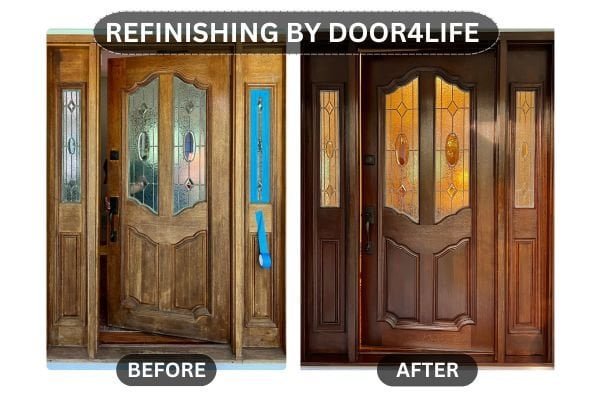
Your front door takes a beating. Sun, rain, and daily use strip away its finish and leave it looking tired. But most wooden doors don’t need replacing—they need refinishing.
According to the National Association of Realtors, replacing an entry door returns about 74% of the project cost at resale. Refinishing costs a fraction of that and delivers similar curb appeal. If you’re considering Door refinishing atlanta services or tackling it yourself, understanding the full process helps you make smart choices.
This guide walks through each step professionals use to bring tired wood doors back to life. You’ll learn what tools you need, how long each phase takes, and where most DIY attempts go wrong.
What Does Wood Door Refinishing Actually Involve?
Wood door refinishing removes old finish, repairs damage, and applies fresh protective coatings. The process typically takes 3-5 days depending on door condition and weather. Proper refinishing extends door life by 10-15 years and costs 60-80% less than replacement.
Step 1: Remove Door Hardware
Take off all knobs, locks, hinges, and decorative pieces. Label each piece and store screws in labeled bags. This prevents finish buildup on metal parts and makes sanding easier. Most professionals photograph the door before removal to document original hardware placement.
Step 2: Clean the Door Surface
Use a degreaser or TSP solution to remove dirt, oils, and grime. Pay extra attention to areas around the handle where hand oils accumulate. Let the door dry completely—usually 2-4 hours. Skipping this step causes uneven stain absorption later.
Step 3: Remove Old Finish
Apply chemical stripper or use a heat gun to lift old varnish, paint, or stain. Work in sections and scrape softened finish into a metal container. Chemical strippers work better for intricate panel designs. Heat guns suit flat surfaces but require careful temperature control to avoid scorching.
Step 4: Initial Sanding
Start with 80-grit sandpaper to remove remaining finish and level the surface. Sand with the grain, never against it. This stage creates a uniform base for finer sanding. Vacuum between grits to prevent scratches from loose particles.
Step 5: Repair Damage
Fill cracks, dents, and gouges with wood filler matched to your door species. Deep damage may need wood putty or epoxy. Let repairs cure fully—usually 24 hours—before sanding smooth. For front door refinishing atlanta projects, professionals often replace severely damaged panels rather than fill them.
Step 6: Medium Grit Sanding
Switch to 120-grit sandpaper and sand the entire surface again. This removes repair marks and creates a smoother surface. Pay attention to panel edges and decorative details where old finish often hides. Wipe down with a tack cloth after sanding.
Step 7: Fine Sanding
Use 180 to 220-grit sandpaper for the final sanding pass. This creates the smooth surface needed for professional results. The door should feel like silk when you run your hand across it. Any rough spots will show through the final finish.
Step 8: Apply Wood Conditioner
Pre-stain conditioner helps softwoods like pine absorb stain evenly. Apply a thin coat and let it penetrate for 15 minutes. Wipe off excess before it dries. Skip this on hardwoods like oak or mahogany unless the wood is very porous.
Step 9: Stain Application
Apply affordable door staining products with a brush or cloth, working in sections. Wipe off excess after 5-15 minutes depending on desired darkness. Apply a second coat if you want deeper color. Let stain dry 24-48 hours before sealing.
Step 10: First Seal Coat
Apply the first coat of wooden door varnish, polyurethane, or your chosen topcoat. Use long, even strokes and avoid over-brushing. Thin the first coat by 10% to help it penetrate wood pores. This creates a stronger bond than full-strength applications.
Step 11: Sand Between Coats
After the first coat dries (usually 4-6 hours), lightly sand with 320-grit sandpaper. This removes dust bumps and creates tooth for the next coat. Wipe clean with a tack cloth. Most door finishing materials require 3-4 coats for exterior doors.
Step 12: Final Coats and Curing
Apply 2-3 additional topcoats, sanding lightly between each. The final coat should not be sanded. Let the door cure for 7-10 days before reinstalling. Full cure takes 30 days, so treat the door gently during this time.
How Long Does Each Step Take?
| Step | Time Required | Drying Time |
| Hardware removal | 30 minutes | None |
| Cleaning | 45 minutes | 2-4 hours |
| Stripping | 2-3 hours | 1 hour |
| Sanding (all stages) | 3-4 hours | None |
| Repairs | 1 hour | 24 hours |
| Staining | 1 hour | 24-48 hours |
| Finishing coats | 30 min per coat | 4-6 hours each |
What Tools and Materials Do You Need?
Professional results require the right equipment. Cutting corners on tools usually shows in the final finish.
- Chemical stripper or heat gun
- Sandpaper in 80, 120, 180, 220, and 320 grits
- Orbital sander or sanding block
- Wood filler and putty knife
- Pre-stain conditioner
- Quality stain in your chosen color
- Polyurethane, varnish, or marine spar finish
- Natural bristle brushes (2-3 inch)
- Tack cloths
- Drop cloths and painter’s tape
For garage door refinishing or refinish interior wood doors projects, the tool list stays largely the same. Interior doors need fewer protective coats than exterior ones.
What Are Common Mistakes to Avoid?
Most refinishing failures come from rushing or skipping steps. Here’s what goes wrong most often.
Pro Tip: Temperature and humidity matter more than most people think. Refinish when temps stay between 50-85°F and humidity sits below 70%. High humidity causes finish to dry slowly and attract dust.
Not sanding enough between finish coats creates a cloudy appearance. Each coat needs light sanding to bond properly. Apply too much finish at once and you’ll get runs, drips, and uneven texture.
Using the wrong finish for your door location causes early failure. Exterior doors need UV-resistant marine spar varnish or exterior polyurethane. Interior products break down quickly under sun exposure.